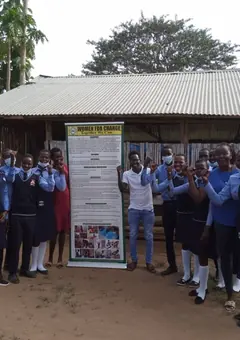
Women For Change works with communities to promote gender equality, prevent gender based violence, and empower women and girls through education, leadership and economic development opportunities.
Women for Change (WFC) is a national non-governmental organization (NNGO) formed in 2016 and legally registered in 2018. The organization was founded by a group of South Sudanese women from diverse backgrounds who shared the goal of supporting the well-being and economic stability of widows, out of school youth, and children affected by intentional and unintentional causes.
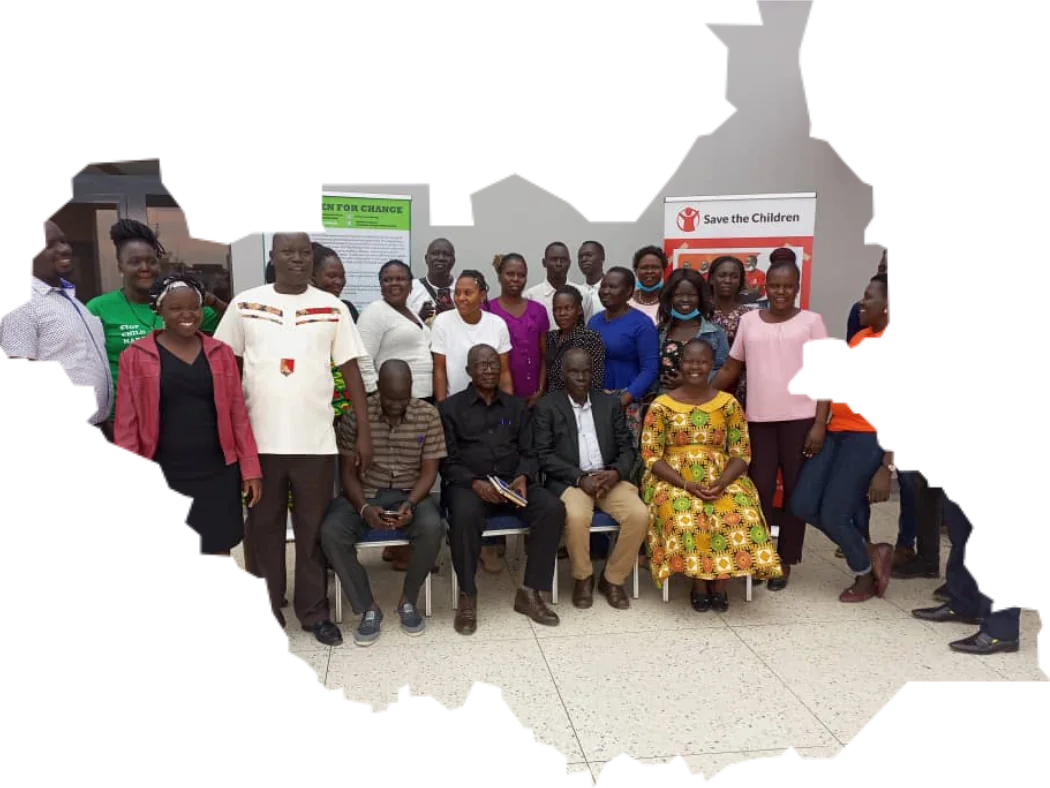
Women For Change focuses on key thematic areas that address the root causes of inequality, promote women’s rights, and strengthen community resilience across South Sudan.
All thematic areas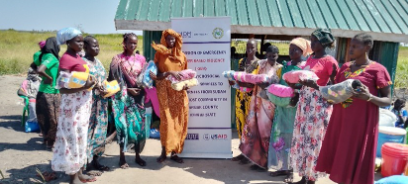
This pillar focuses on moving individuals and households from a state of vulnerability to self-reliance, providing the tools and skills necessary to generate an …
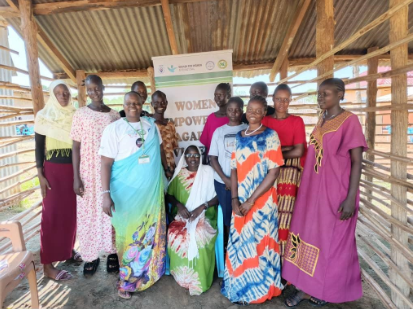
The Protection pillar serves as the "safety net." Economic gains are often fragile if the community suffers from violence or poor mental health. This …
While the first pillar focuses on individuals, this pillar focuses on the ecosystem. It ensures that local institutions and the WFC team itself are …
Stay updated with the latest stories, field activities, and impact updates from Women For Change across South Sudan.
View all news
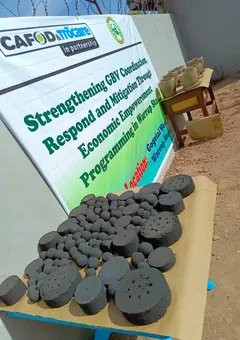
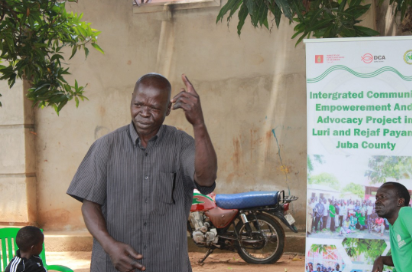
With funding from CAFOD and Trócaire through the Solidarity Funds, Women for Change (WFC) is supporting grassroots organizations in South S…
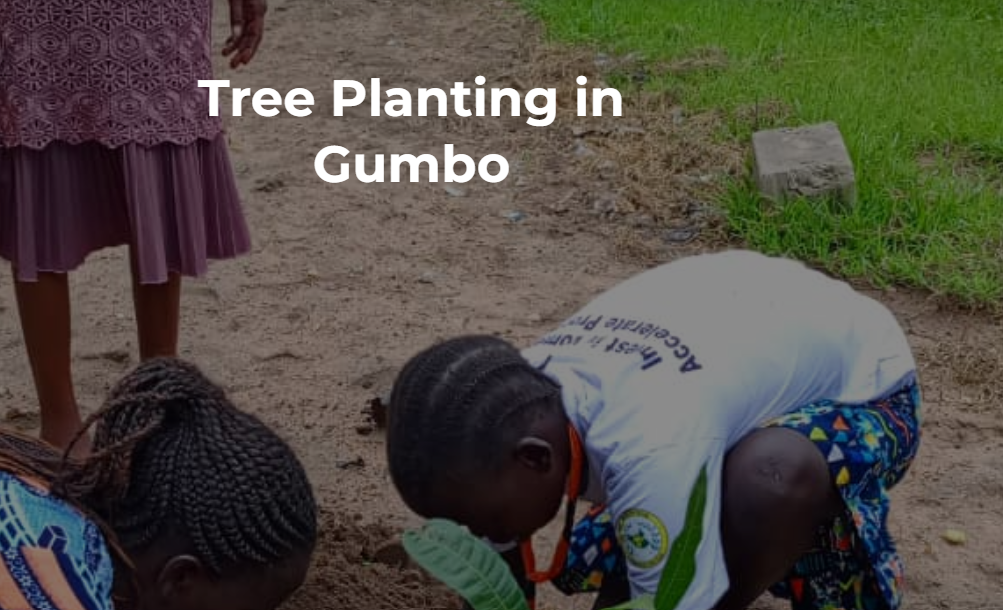
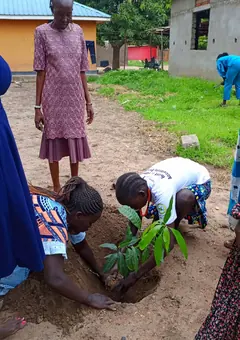
Youth in Gumbo/Rajaf payam actively participated in a tree planting campaign and this initiative is part of Women for Change's "Integrated …
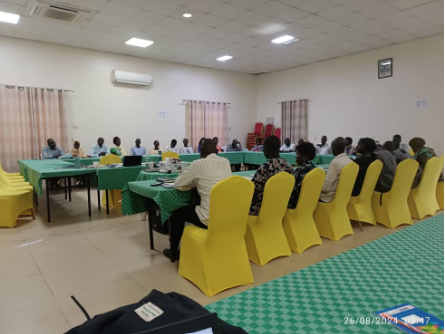
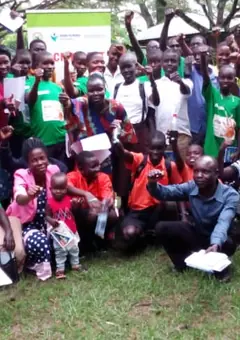
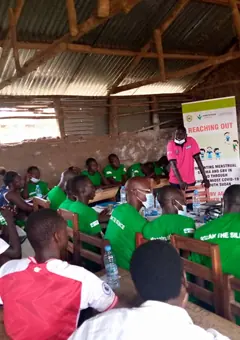
Earlier this morning, WFC held a two days (August 26 & 27, 2024) Training of Parents and Teachers Association (PTA members) from 4 schools …
WFC values openness in staff selection, timely payment of staff and suppliers, a fair selection of clients/ bidders, timely procurement and implementation, and timely reporting to donors and stakeholders' involvement with openness.
Women for Change seeks a workforce committed to inclusiveness. We aim for diversity of tribe, race, religion, and geography.
Women for Change believes that people with different needs belong to the community and have equal access to human and financial resources without discrimination. The organization is committed to respecting rights within our society in service delivery, including women's, children's, and vulnerable individuals’ rights.
WFC upholds respect and values among its staff and stakeholders, including beneficiaries, donors, partners, and authorities. This is evidenced in our respect for agreements and compliance with systems and procedures.
Women for Change believes in wholeness in service delivery, character, uprightness, and honesty in daily deeds.
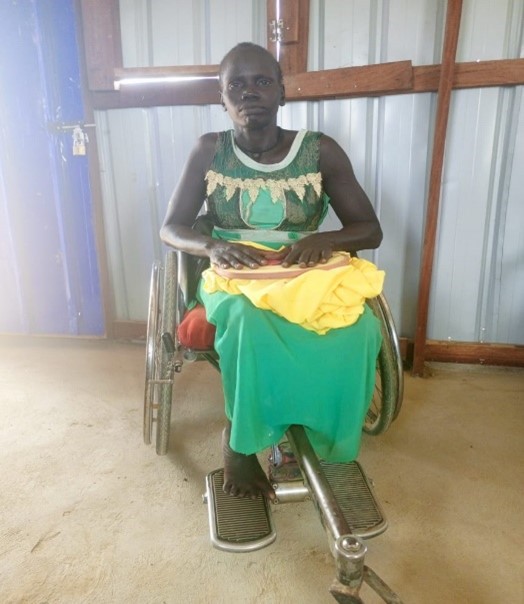
The success story of a woman living with physical impairment at Mayen Abun IDP camp, Twic County, Warrap state. Mrs. Adhar Macham Barac, a representative of the people living with disability in Mayen Abun IDP camp in Twic county of Warrap state. She has been living with physical impairment since she was a child, and she faced many challenges as a result. “I have been ignored, neglected, and lacked support.
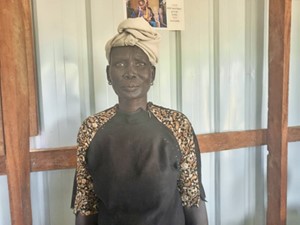
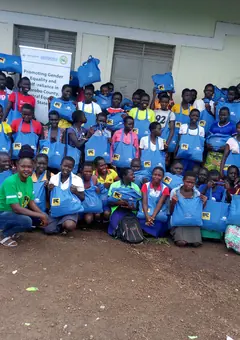
Ms. Ajok Deng Chol is a women leader in Mayen Abun IDP camp. She has seen firsthand the challenges that women and girls face in her community. Before Women for Change came to the camp, women and girls were often isolated and vulnerable to gender-based violence (GBV) and menstrual shame. They had no access to basic necessities like slippers, torches, menstrual towels, or clothes. This made it difficult for them to move around safely at night, and it also made them feel ashamed and isolated. The darkness at the camp made it difficult for us to move around safely at night, and the lack of menstrual towels also made us feel ashamed and isolated when menstruating," said the woman leader. "We were afraid to speak out about our needs, and we felt like we had nowhere to turn." She continued Women for Change has provided women and girls with the essential menstrual necessities they need to live safely and comfortably. They have also trained women and girls on GBV prevention and response. This has helped to reduce menstrual shame and the number of GBV cases in the community, and it has also given women and girls the confidence to speak out against violence.
Past event
Past event
Our partner list is shared with partners who have an access key.
Access key required